
What to Do After the Storm: A Homeowner's Guide to Emergency Roof Repair
The wind has died down, the rain has stopped, but the storm has left its mark. For homeowners in Eugene and across the Willamette Valley, the aftermath of a severe weather event can be stressful, especially when you suspect your roof has been damaged. A small leak can quickly escalate into a major problem, threatening your home's structure and your peace of mind. The key is to act quickly and safely.
At Linnway Roofing & Construction, we understand the urgency. We've seen firsthand how our region's wet season can test the limits of any roofing system. This guide will walk you through the essential steps to take immediately after a storm, from identifying damage to handling an emergency leak, ensuring you can protect your home and restore your sense of security.
Step 1: Your Post-Storm Safety Checklist
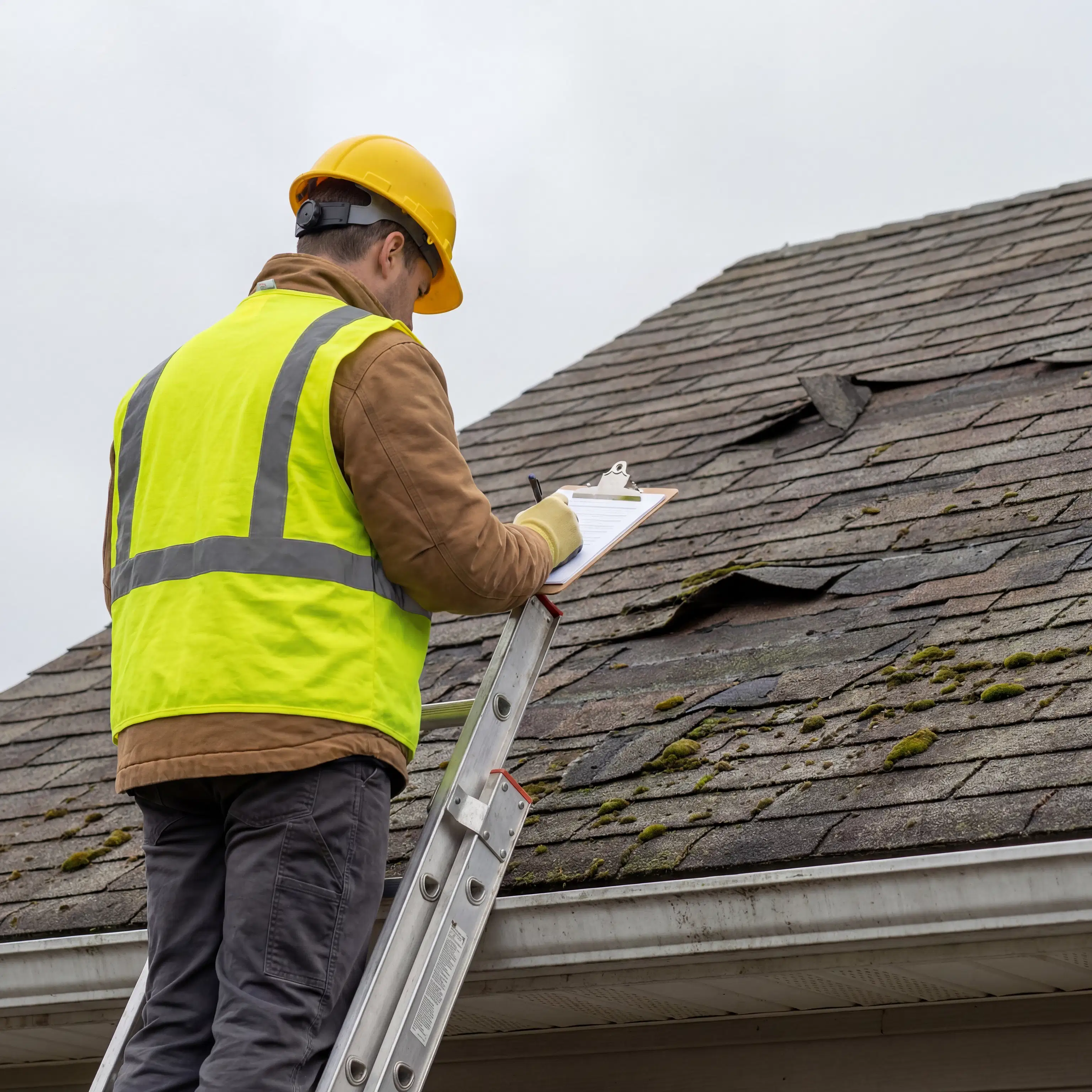
After a storm, your first priority is safety. Before you do anything else, conduct a visual inspection from the ground. Never climb onto a potentially damaged or wet roof. Grab a pair of binoculars and walk around the perimeter of your property, looking for these common signs of trouble:
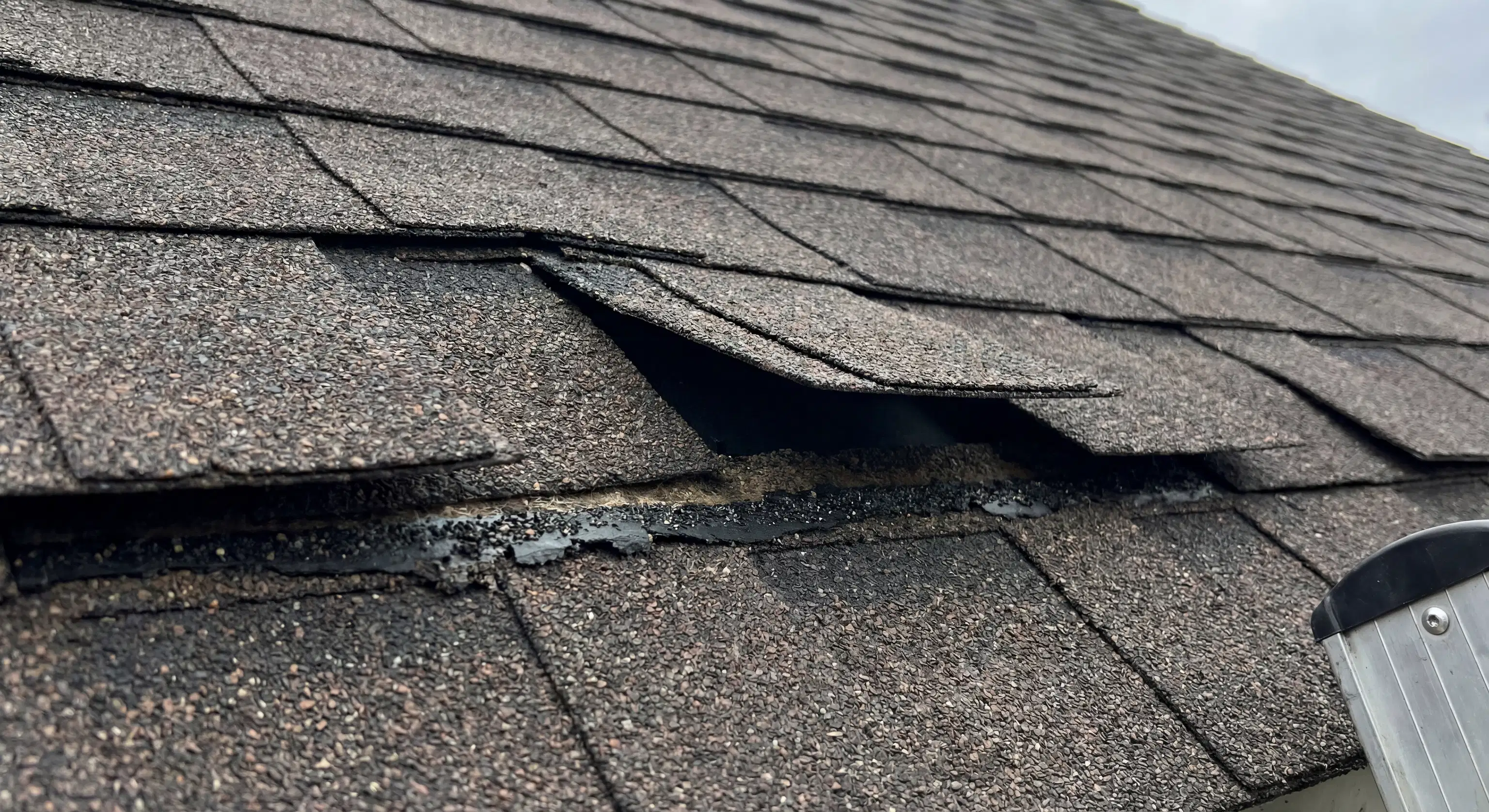
- Missing or Damaged Shingles: Look for shingles that are cracked, curled, lifted, or completely missing. Check your yard and gutters for any roofing materials that may have been blown off.
- Gutter and Flashing Damage: Inspect your gutters, downspouts, and the metal flashing around your chimney, vents, and skylights. Dents, dings, or separation can indicate impact from hail or debris and create entry points for water.
- Fallen Debris: Note any large branches or other debris that have fallen on or near your roof. Even if there's no visible hole, the impact could have caused structural damage.
- Interior Signs: Inside your home, check the ceilings and attic for water stains, discoloration, or active drips. Peeling paint near the ceiling is another red flag.
Important: Document everything you see. Take clear photos and videos of any damage from multiple angles. This documentation will be crucial if you need to file an insurance claim.
How to Handle an Active Roof Leak
Discovering a leak is alarming, but a calm and methodical response can minimize the damage. If you find water dripping into your home, follow these steps immediately:
- Contain the Water: Place a bucket, trash can, or other waterproof container directly under the leak. If the water is splashing, lay an old towel or tarp in the bottom of the bucket to absorb the impact.
- Protect Your Belongings: Move any furniture, electronics, and valuables out of the affected area. If something is too heavy to move, cover it with a thick plastic tarp.
- Relieve Water Pressure (If Necessary): If you see a bulge or bubble forming on your ceiling, it means water is pooling. This is a serious issue that can lead to a ceiling collapse. Carefully place a bucket underneath the bulge and puncture the center with a small screwdriver. This will allow the water to drain in a controlled way, relieving the pressure.
- Call a Professional: Once you've contained the immediate threat, your next call should be to a trusted roofing contractor. An emergency roof repair is not a DIY project. Professionals have the training and safety equipment to assess the situation and apply a temporary fix, like a tarp, to prevent further water intrusion until a permanent repair can be scheduled.
The Importance of a Professional Inspection
Not all storm damage is obvious from the ground. Wind can lift shingles, breaking their watertight seal, without blowing them off entirely. Hail can create small, hard-to-see fractures that compromise the integrity of your roofing material over time. This is why a professional roof inspection is one of the most critical steps in storm recovery.
Our experienced team at Linnway Roofing & Construction uses a comprehensive approach to identify all potential issues. We can safely access your roof to check for subtle signs of damage that could lead to future problems, including issues with moss on the roof that can be exacerbated by storm damage. We also assess related components of your home's exterior, like your gutters. Damaged or clogged gutters can't properly channel water away from your home, leading to foundation issues and further roof damage. If needed, we can provide expert gutter installation to ensure your entire system is working to protect your home.
Don't Wait—Secure Your Home Today
Storm damage is a serious issue that requires a swift and professional response. Delaying repairs can lead to more extensive and costly problems, including structural damage, mold growth, and ruined insulation. By taking immediate steps to assess and document the damage and calling a professional for help, you can protect your most valuable investment.
If a recent storm has impacted your property in the Eugene area, don't leave your home's safety to chance. Contact Linnway Roofing & Construction today for a thorough, professional inspection and a free, no-obligation estimate. We're here to provide the reliable repairs and peace of mind you deserve.