Upgrading to Wildfire-Resistant Roofing Materials
Living in the Pacific Northwest offers unparalleled access to natural beauty, especially for homeowners nestled in heavily wooded neighborhoods like the South Hills of Eugene. However, being surrounded by lush forests means we also have to face the growing reality of summer wildfires. As our climate shifts and dry spells become more pronounced, protecting your home from airborne embers is more critical than ever.
Your roof is your home's first line of defense against the elements, whether that means shedding heavy winter rain or deflecting stray sparks during fire season. Upgrading to wildfire-resistant roofing materials is one of the most effective ways to safeguard your property, your family, and your peace of mind. In this guide, we will explore the best fire-rated materials, how they hold up to our unique local climate, and what you need to know about recent building code changes.
Understanding Class A Fire-Rated Roofing Materials
When discussing fire safety in construction, materials are graded by their ability to withstand severe fire exposure. Class A fire-rated roofing materials offer the highest level of resistance. These materials are rigorously tested to ensure they will not catch fire easily, will not allow flames to spread rapidly, and will not generate flying embers that could ignite other parts of your property or neighboring homes.
For homeowners in our area, choosing a Class A roof is often a requirement rather than a suggestion. Stricter Oregon building codes, particularly regarding WUI building code compliance (Wildland-Urban Interface), mandate specific fire-resistant standards for homes located near forested areas. Navigating these local permitting requirements and strict Oregon Construction Contractors Board (CCB) regulations can be overwhelming. Working with a licensed, bonded, and insured contractor ensures your new roof meets all current safety and legal standards without the headache of red tape.
Top Fireproof Roofing Options for the Pacific Northwest
Homeowners often ask what the best roofing materials are to withstand both the rainy Pacific Northwest climate and the threat of summer fires. Fortunately, you do not have to sacrifice moisture protection for fire safety.
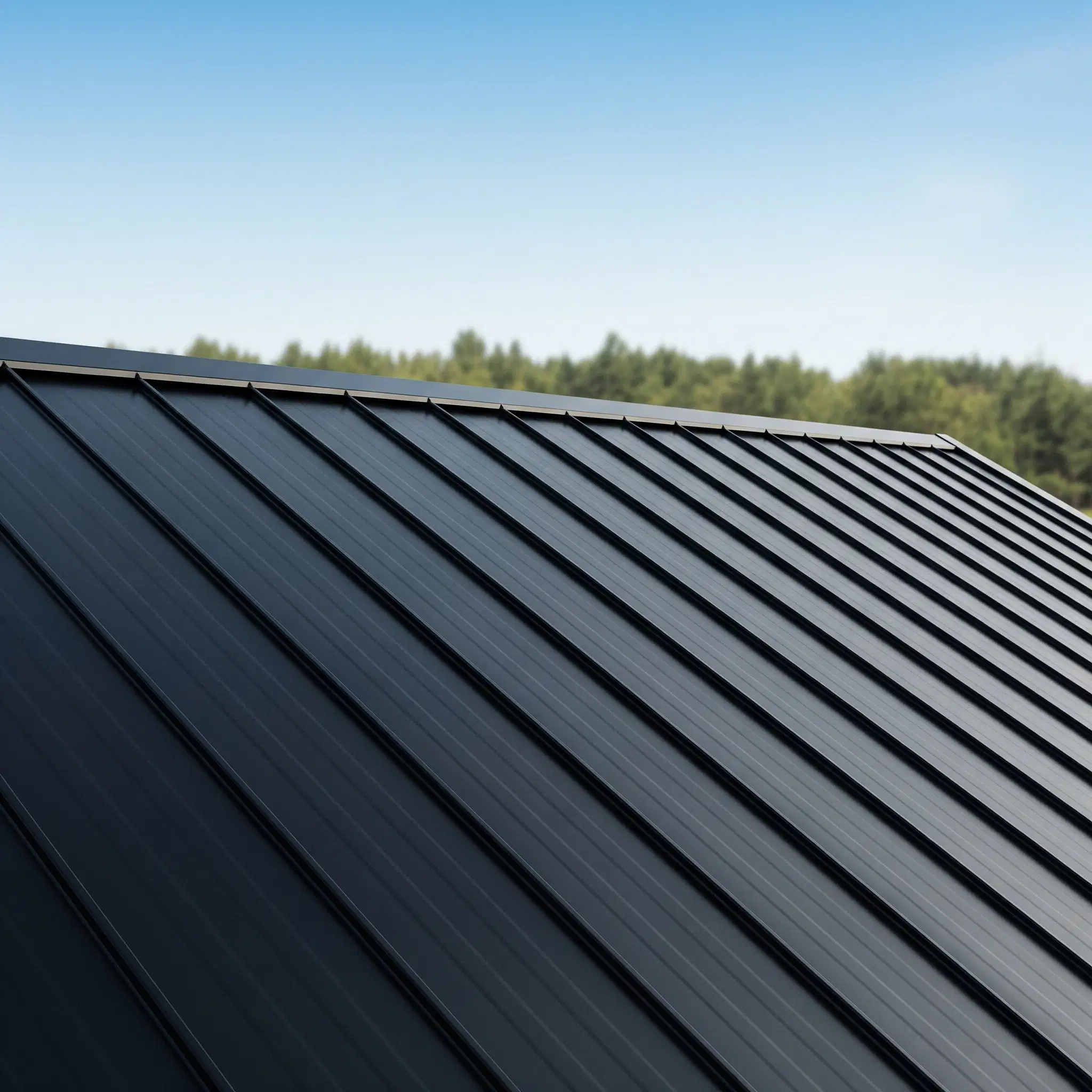
Metal roofing is widely considered one of the premier fireproof roofing options available. Not only is a metal roof completely non-combustible, but it is also incredibly durable against the notorious Willamette Valley weather. Metal sheds heavy rain effortlessly, resists wind damage, and is highly eco-friendly since it is often made from recycled materials and can be recycled again at the end of its lifespan. Furthermore, metal roofs are excellent at reflecting solar heat, which can improve your home's energy efficiency.
If you prefer a more traditional aesthetic, modern architectural shingles are another excellent choice. High-quality fiberglass-backed asphalt shingles can achieve a Class A fire rating. They are designed to resist the spread of fire while providing robust protection against water intrusion. When planning a roof replacement, it is important to discuss these material differences with your contractor to find the right balance of aesthetics, budget, and long-term durability.
The Hidden Fire Hazard: Roof Maintenance and Debris
Installing a wildfire-resistant roof installation is only half the battle; maintaining it is equally important. Even the most fire-resistant roofing materials can be compromised if the roof is covered in flammable debris.
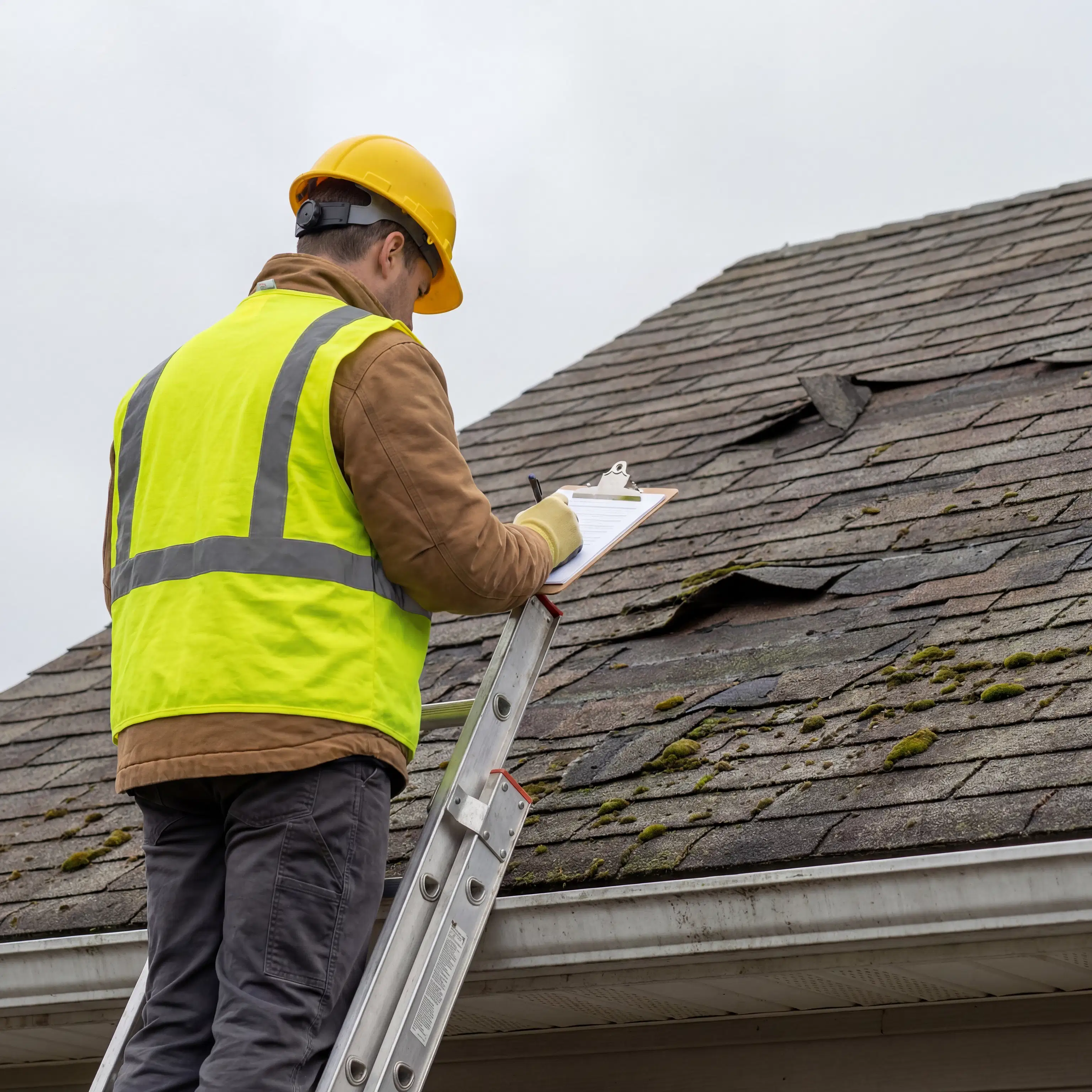
In our heavily treed neighborhoods, Doug Fir needles, leaves, and twigs constantly accumulate in roof valleys and gutters. During the wet season, this debris traps moisture and accelerates moss and algae growth. While moss itself is a nuisance that degrades your shingles, the real danger comes in the summer. When the weather dries out, that leftover organic matter turns into highly flammable kindling just waiting for a stray ember.
Proper moss mitigation and regular debris removal are essential for both the longevity of your roof and your home's fire safety. Scheduling routine roof inspections and maintenance ensures that your roof remains clear of hazards, your gutters flow freely, and any minor wear and tear is addressed before it becomes a costly emergency.
Insurance Benefits and Long-Term Value
Many homeowners wonder if their homeowners insurance covers roof damage from fallen trees or winter storms, and how upgrading their roof impacts their policy. While coverage varies by provider, upgrading to a Class A fire-rated roof can often lead to reductions in your insurance premiums, especially if you live in a designated WUI zone. Insurance companies recognize the reduced risk of catastrophic loss and frequently reward homeowners who take proactive steps to harden their homes against wildfires.
We understand that volatile material costs can make a major home improvement project feel daunting. That is why we prioritize transparent, detailed estimates with no hidden fees. Investing in a high-quality, fire-resistant roof backed by comprehensive manufacturer warranties not only protects your home but significantly boosts its resale value and curb appeal.
Protect Your Home Today
Adapting to our changing environment means making smart, forward-thinking choices about your home's exterior. Whether you are interested in the sleek durability of a metal roof or the proven reliability of architectural shingles, upgrading your roofing system is a profound investment in your family's safety.
At Linnway Roofing & Construction, we are proud to help homeowners across Lane County navigate these important decisions with expert guidance, premium materials, and exceptional craftsmanship. If you are ready to explore your options for a safer, more resilient home, reach out to us today to schedule a consultation or contact us to learn more about our comprehensive roofing services.