
Preventing Water Intrusion Around Windows and Siding
Living in the Pacific Northwest means learning to embrace the rain. While we might joke about our frequent liquid sunshine, the reality is that the constant moisture can take a serious toll on our homes. As we head into the wet season, one of the most critical maintenance tasks for homeowners in the Eugene area is ensuring their home's exterior envelope is completely watertight.
Water intrusion doesn't always announce itself with a massive, catastrophic leak. More often than not, it's a slow, stealthy process. Moisture creeps in through microscopic cracks around aging window frames or slips quietly behind weathered siding. Left unchecked, this slow intrusion can lead to wood rot, mold growth, and severe structural damage that requires extensive and costly repairs.
At Linnway Roofing & Construction, we spend a lot of time helping homeowners recover from water damage that could have been prevented with a little proactive care. Whether you are dealing with the aftermath of heavy winter storms or simply trying to get ahead of the inevitable Willamette Valley weather, understanding how to protect your home's exterior is essential for preserving your investment.
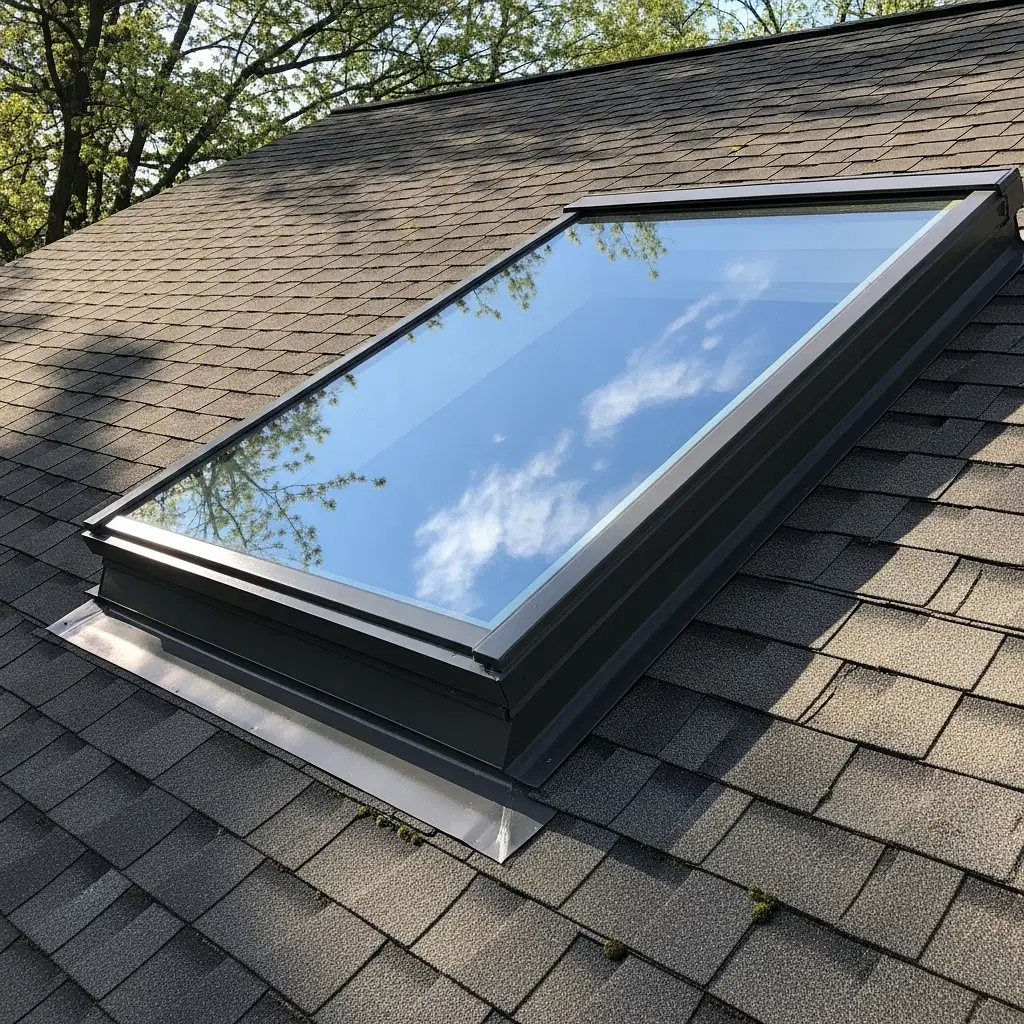
Spotting the Early Signs of Moisture Intrusion Around Window Frames
Windows are often the most vulnerable points on your home's exterior. Because they interrupt the continuous barrier of your siding, they require meticulous sealing and flashing to keep water out. Knowing the early signs of moisture intrusion around window frames can save you thousands of dollars in hidden water damage.
Start by inspecting the interior of your windows. Look for peeling or bubbling paint on the window sill or the drywall immediately surrounding the frame. If you notice a musty odor or see visible dark spots or mold growth, moisture has likely already breached the barrier. Another common indicator is condensation trapped between the panes of double-glazed windows, which signals a failed seal.
On the exterior, check the condition of the wood framing or trim. Soft, spongy wood is a clear indicator of rot caused by prolonged moisture exposure. You should also look for cracked, shrinking, or missing caulking around the perimeter of the window. If your home's windows are older and showing these symptoms, it might be time to consider professional window replacement to restore the integrity of your home's thermal and moisture envelope.
How to Prevent Water Leaks Behind Siding
Your home's siding acts as a crucial shield against driving rain and heavy winds. However, if water manages to get behind the siding panels, it becomes trapped against the house wrap and underlying wood structure. Learning how to prevent water leaks behind siding starts with understanding how water navigates the exterior of your home.
Proper flashing is your first line of defense. Flashing refers to the thin pieces of impervious material (usually metal) installed at intersections and joints—such as where the roof meets a dormer, or above doors and windows—to direct water away from vulnerable seams. Over time, flashing can corrode, warp, or become loose.
Another major culprit for siding leaks is clogged gutters. When Doug Fir needles, leaves, and moss back up your gutter system, rainwater overflows and cascades directly down the side of your house. This sheer volume of water can force its way under siding overlaps. Keeping your gutters clear and ensuring your roof is free of heavy moss buildup will drastically reduce the amount of water actively challenging your siding.
If your siding is warped, cracked, or heavily faded, it may no longer be shedding water effectively. Upgrading your home's exterior through professional siding installation not only modernizes the look of your property but guarantees that modern, high-performance moisture barriers are properly installed underneath.
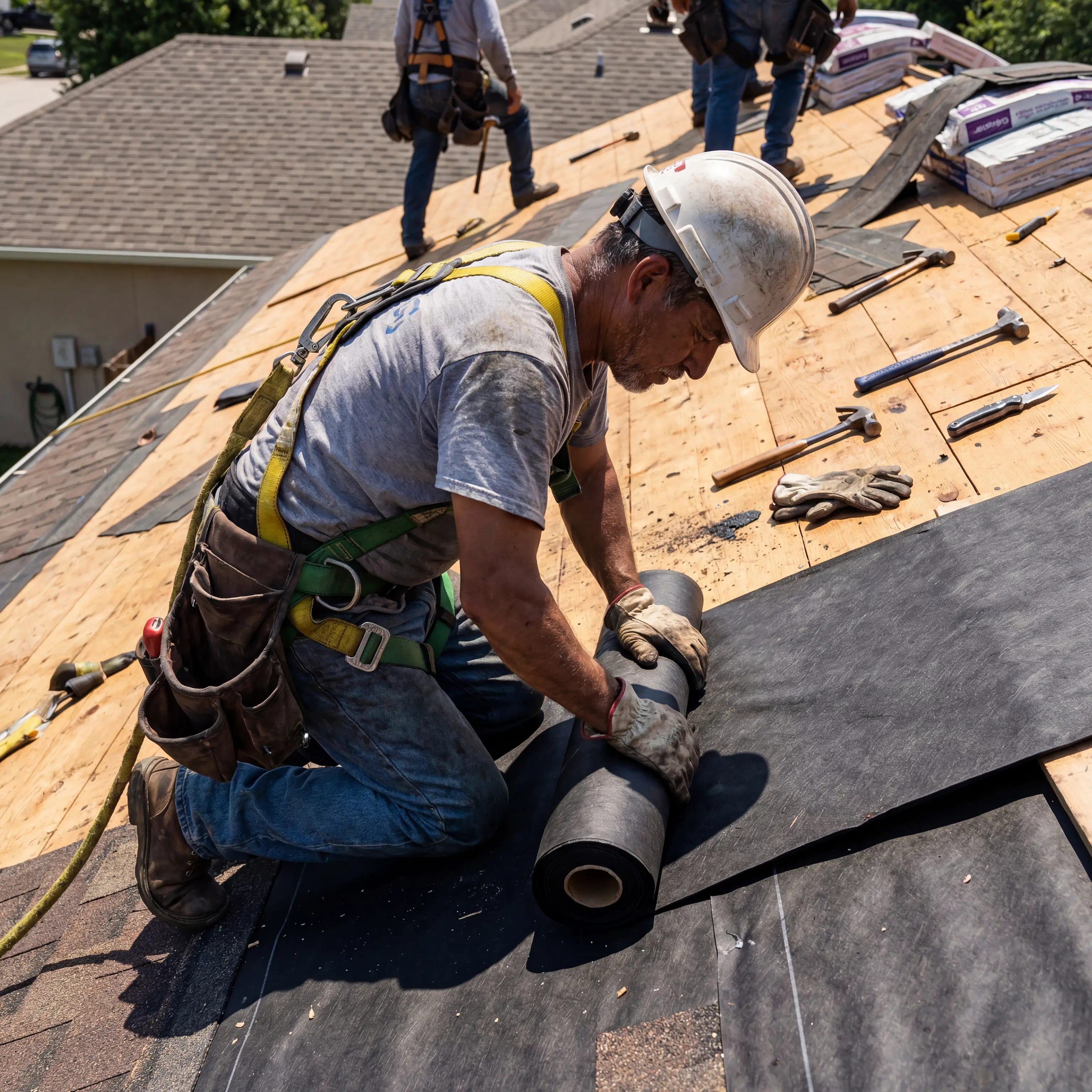
Flashing and Caulking Maintenance for Home Exteriors
Routine flashing and caulking maintenance for home exteriors is one of the highest-return investments you can make in your property's longevity. Caulking is a flexible sealant used to close gaps where different building materials meet. However, because our climate subjects homes to significant temperature swings—from freezing winter mornings to hot, dry summer afternoons—caulking naturally expands, contracts, and eventually degrades.
We recommend inspecting your exterior caulking at least once a year, ideally before the heavy rains begin. Pay special attention to the vertical seams where siding meets window and door trim, as well as where utility pipes or vents exit the house. Any cracked, brittle, or pulling caulk should be completely scraped out and replaced with a high-quality, exterior-grade polyurethane or silicone sealant.
Similarly, inspect your metal flashing. High winds can occasionally lift or bend step flashing, leaving the underlying structure exposed. If you aren't comfortable climbing a ladder to check these high-up vulnerabilities, bringing in a professional for a routine exterior envelope inspection is a smart, proactive choice.
Protecting Exterior Siding from Moisture Damage with Paint
While we often think of paint as a purely aesthetic choice, it is actually a vital protective coating. Protecting exterior siding from moisture damage relies heavily on maintaining a solid, unbroken layer of high-quality paint. Paint seals the pores of wood and composite siding materials, causing water to bead up and roll off rather than soaking into the boards.
If you notice your home's paint is chalking, blistering, peeling, or cracking, the underlying siding is being left defenseless against the elements. Bare wood siding can absorb water quickly, leading to swelling, warping, and eventually, destructive wood rot.
Investing in professional exterior painting provides a fresh, durable barrier against the damp climate. A thorough exterior painting job involves extensive prep work, including scraping away failing paint, repairing minor wood rot, and applying premium primers and paints formulated to withstand local weather extremes. This routine maintenance is incredibly cost-effective when compared to the price of a full siding replacement.
Safeguard Your Home with Linnway Roofing & Construction
Water intrusion is a persistent threat in our damp, forested environment, but it doesn't have to dictate the lifespan of your home. By staying vigilant for the early signs of moisture, maintaining your flashing and caulking, and keeping your exterior finishes in top condition, you can enjoy peace of mind no matter how hard the rain falls.
At Linnway Roofing & Construction, we are committed to helping homeowners throughout Eugene and the surrounding communities protect their biggest investments. Whether you need an expert eye to track down a mysterious leak, require completely new siding, or want to upgrade to energy-efficient windows, our experienced crew is here to help.
Don't wait until a minor leak becomes a major structural issue. Contact us today or use our instant estimator to get started on your next exterior home improvement project. Let's make sure your home is fully prepared for whatever the weather brings.