Don't Let It Grow: A Homeowner's Guide to Managing Moss on Your Roof
Here in the Willamette Valley, we’re no strangers to the long, damp wet season. While the lush greenery it brings is part of what makes our home beautiful, that same moisture can create a serious problem on one of your home's most important assets: your roof. We’re talking about moss. That green, velvety blanket might look harmless, but for homeowners in Eugene, it's a sign of potential trouble. Moss on the roof is more than a cosmetic issue; it's a threat to the integrity of your shingles and the structure of your home. Understanding why it grows, the damage it can cause, and how to manage it is crucial for protecting your investment. This guide will walk you through the essentials of keeping your roof healthy and moss-free.
Why Moss Thrives in Our Climate and Why It's a Problem
The Pacific Northwest is the perfect incubator for moss. It loves cool, damp, and shady environments—three things we have in abundance. North-facing roof slopes that see less sun or roofs shaded by our beautiful, mature trees are particularly vulnerable. Moss doesn't have traditional roots; instead, it uses tiny filaments called rhizoids to anchor itself. As it grows, it acts like a sponge, trapping and holding significant amounts of water directly against your roofing materials.
This constant moisture is where the real damage begins:
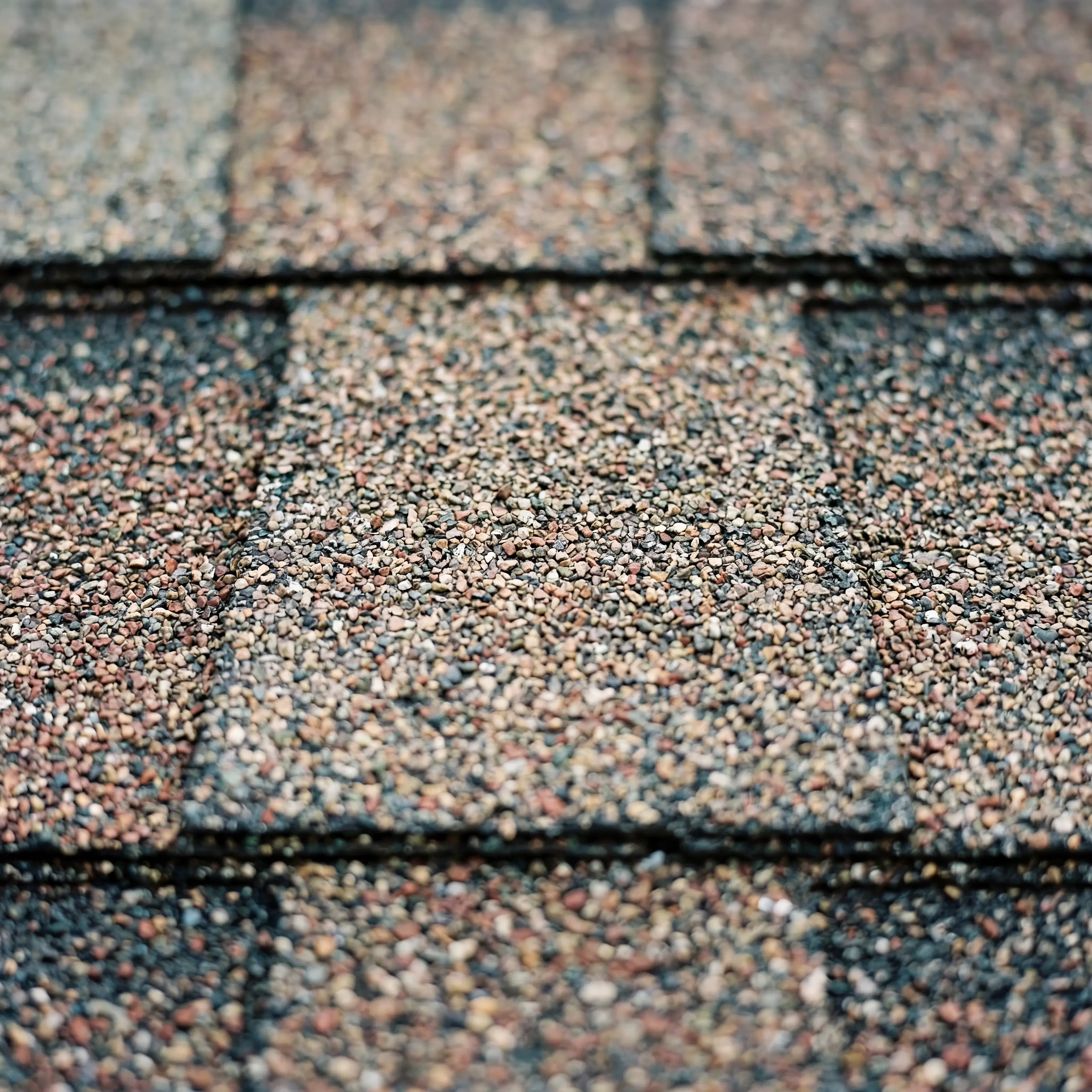
- Shingle Deterioration: Asphalt shingles are designed to shed water. When moss holds moisture against them, it can lead to the erosion of the protective granules and the eventual decay of the shingle itself.
- Lifting and Wind Damage: As moss thickens, it can grow underneath the edges of your shingles, lifting them up. This breaks the seal that protects against water intrusion and makes the shingles highly susceptible to being torn off by the wind.
- Water Intrusion: Once shingles are lifted or compromised, water can seep underneath and onto the roof deck. This can lead to wood rot, structural damage, and eventually, leaks inside your home.
- Added Weight: A roof saturated with moss and water is significantly heavier than a dry one, placing unnecessary strain on your home's structure over time.
Telltale Signs You Have a Moss Problem
Catching a moss issue early can save you from a much larger headache and more expensive repairs down the line. It’s a good practice to visually inspect your roof a few times a year, especially after the wet season. Here are the key signs that indicate it's time to take action:
- Visible Green Patches: The most obvious sign is seeing green, fuzzy patches. It might start small but can spread quickly.
- Black Streaks: While often caused by algae (Gloeocapsa magma), these dark streaks can indicate a moisture-rich environment where moss will soon thrive.
- Curled or Lifted Shingles: Look for shingles that no longer lay flat against the roof. This is a clear indicator that moss is growing underneath and compromising your roof's first line of defense.
- Excess Granules in Gutters: When you perform your regular gutter cleaning, take note of the debris. An excessive amount of shingle granules can mean that moss is accelerating the wear and tear on your roof.
- Damp Spots in the Attic: If you can safely inspect your attic, look for any signs of moisture, water stains, or daylight coming through the roof deck. This suggests a leak has already started, which could be linked to moss damage.
The Professional Approach to Moss Removal
When you see moss, the first instinct might be to grab a ladder and a pressure washer. However, this can often do more harm than good. DIY moss removal is risky for both you and your roof. High-pressure water can strip away shingle granules, and aggressive scraping can tear shingles, voiding warranties and causing immediate damage. Not to mention, a wet, mossy roof is incredibly slippery and dangerous to walk on.
The safest and most effective solution is to trust a professional. At Linnway Roofing & Construction, we use industry-approved methods and solutions that kill the moss at its source without damaging your roofing materials. Our process ensures the moss is removed safely, protecting the longevity of your roof. If the moss has already caused underlying issues, our team can assess the extent of the damage and perform the necessary roof repair to restore your home's protection.
Prevention: The Best Strategy for a Healthy Roof
Once your roof is clean, the goal is to keep it that way. A proactive approach to maintenance is the best way to prevent moss from returning and extend the life of your roof.
- Increase Sunlight: Trim back overhanging tree branches that cast shade on your roof. This allows sunlight to reach the surface and helps it dry out more quickly.
- Keep it Clean: Remove leaves, pine needles, and other debris that can accumulate and trap moisture, creating a perfect habitat for moss spores.
- Ensure Proper Drainage: Clogged gutters cause water to back up onto the roof's edge, promoting moss growth. Regular gutter cleaning is one of the most important maintenance tasks for any homeowner in our area.
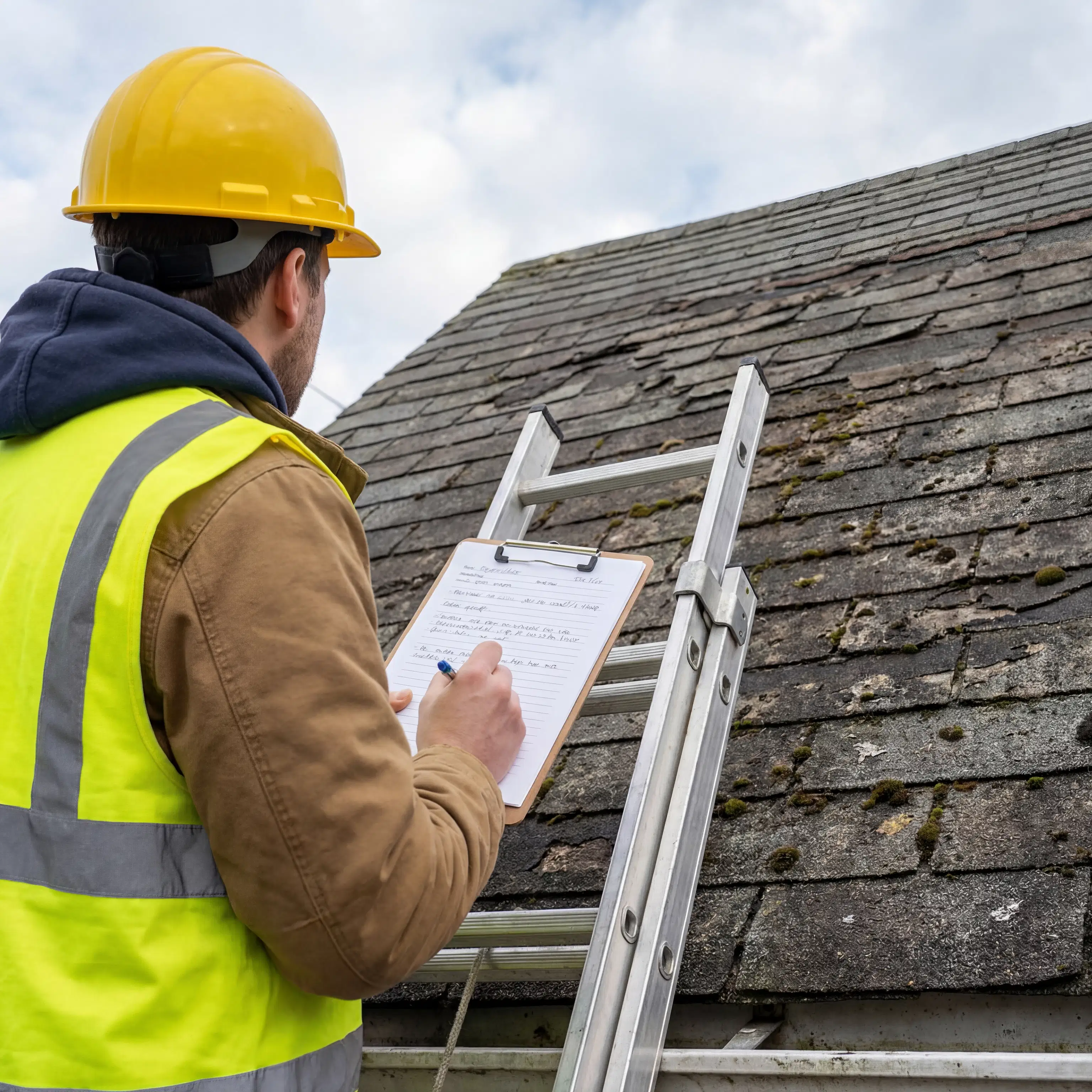
- Schedule Regular Inspections: The best way to stay ahead of problems is with a professional roof inspection. An expert can spot the early signs of moss, algae, or other potential issues and recommend a course of action before they become major problems.
Protect Your Home with Linnway Roofing & Construction
Your roof is your home's primary shield against the elements. Letting moss take hold is a risk that can lead to significant and costly damage. By understanding the signs, opting for professional removal, and committing to preventative maintenance, you can ensure your roof remains in top condition for years to come.
If you're concerned about moss on your roof or want to establish a proactive maintenance plan for your Eugene home, we're here to help. Contact the experts at Linnway Roofing & Construction today to schedule a comprehensive roof inspection. We’ll provide an honest assessment and a clear plan to protect your home. Get in touch with us to get started!