Diagnosing and Fixing a Sagging Roof
A distinct dip in your roofline is more than just a cosmetic flaw; it is a clear signal that the underlying structure of your home is under stress. For homeowners in the Pacific Northwest, where liquid sunshine is a nearly year-round reality, maintaining a structurally sound roof is essential for protecting your property.
When a roof begins to warp, bow, or sag, it indicates that the framing can no longer support the weight of the materials or the environmental loads placed upon it. Left unaddressed, a minor dip can lead to severe structural failure, massive leaks, and costly interior damage. At Linnway Roofing & Construction, we frequently help homeowners navigate these stressful situations. Understanding why your roof is dipping and knowing the proper steps for diagnosing and resolving the issue can save you time, money, and significant stress.
Common Causes of a Sagging Roof Ridge
Understanding the underlying causes of a sagging roof ridge is the first step toward finding a permanent solution. Roofs are engineered to carry a specific amount of weight, known as the load. When this load exceeds the structural capacity of the framing, sagging occurs.
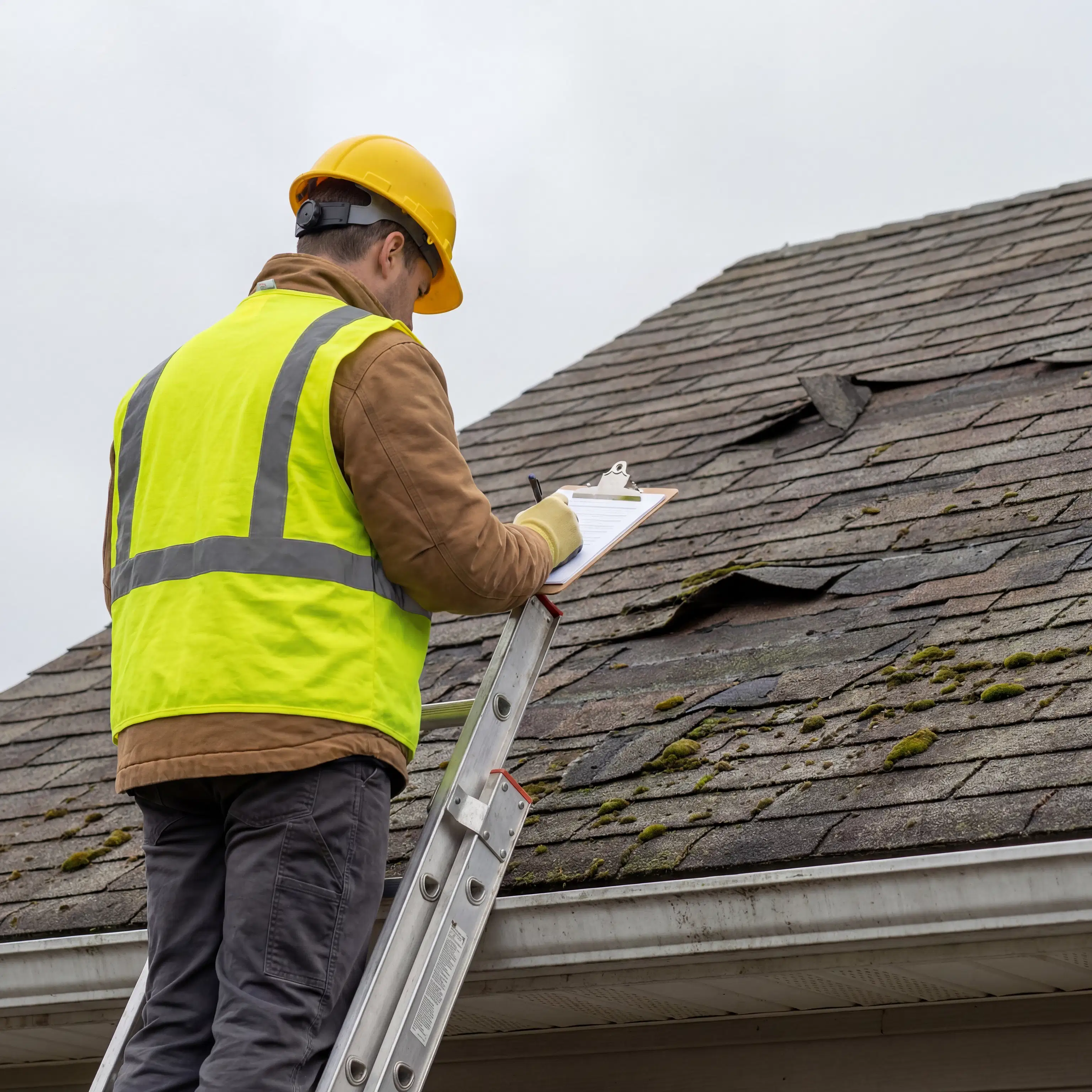
One of the most frequent culprits is prolonged exposure to moisture. The famous Willamette Valley weather provides constant dampness, which can penetrate compromised shingles and seep into the wooden decking below. Over time, this moisture compromises the wood's integrity. Learning how to fix roof deck rot often becomes necessary when minor leaks are ignored for too long.
Excessive weight is another primary factor. In older homes, particularly those in historic neighborhoods, multiple layers of asphalt shingles may have been installed over the decades without removing the previous layers. This adds tremendous dead weight to aging rafters. Additionally, environmental debris plays a role. When heavy Doug Fir needles and organic debris accumulate on the roof and in the gutters, they trap moisture and create a heavy, sodden mass that strains the structure.
Finally, the original construction may be at fault. Undersized rafters, inadequate internal bracing, or alterations made to the attic space without consulting a structural professional can all lead to eventual sagging.
Spotting the Signs of Structural Roof Damage from Moisture
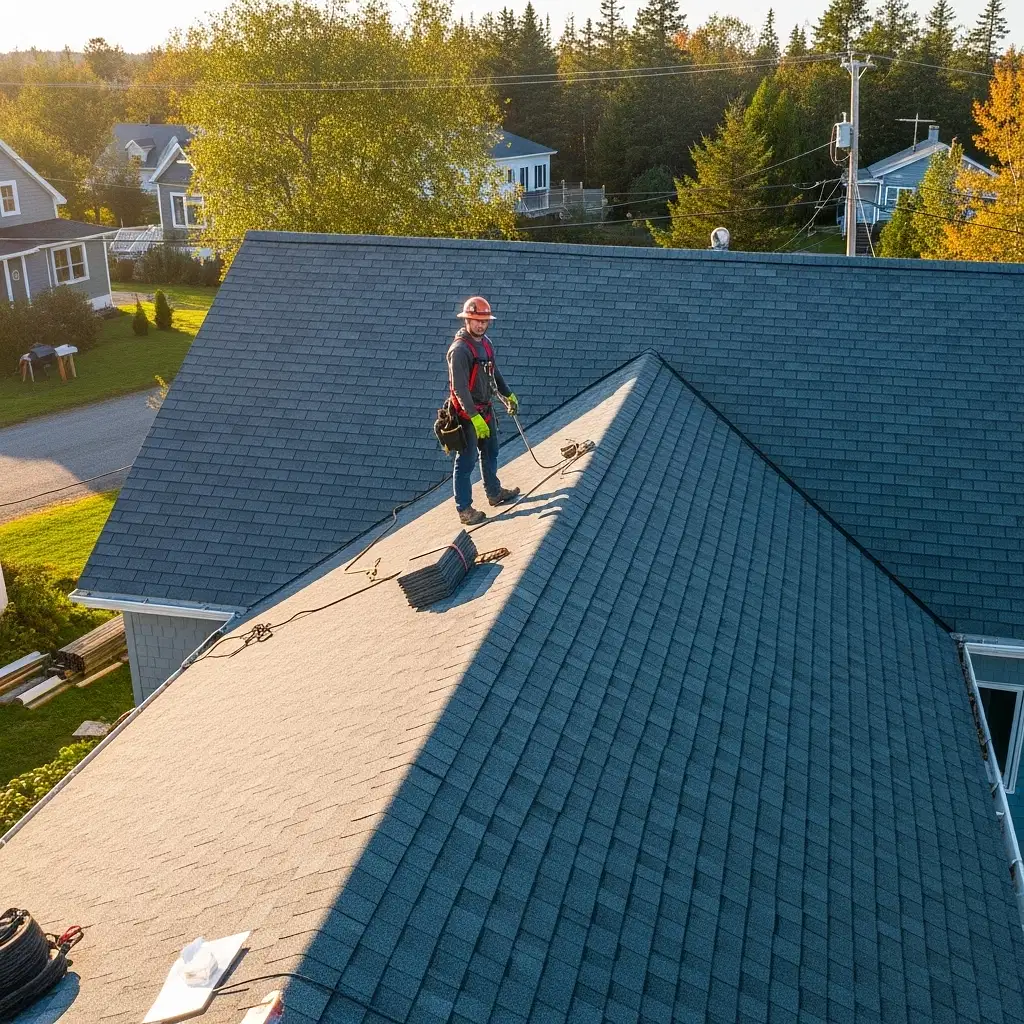
Catching a structural issue early can mean the difference between a targeted roof repair and a complete structural overhaul. You don't necessarily need to climb a ladder to spot the early warning signs of structural roof damage from moisture.
Start by stepping across the street and examining your home from a distance. Look at the ridge line at the very top of the roof; it should be perfectly straight. If it looks like a swayback horse, you have a problem. Pay attention to the planes of the roof as well. They should be flat and even. Wavy or dipping sections, especially between the rafters, indicate that the decking beneath the shingles is warping or rotting.
Inside your home, the signs are often more obvious. Check your ceilings for brown water stains, bubbling drywall, or cracked paint. If you have an unfinished attic, grab a flashlight and inspect the underside of the roof deck. Look for dark water stains, white powdery mildew, or visible mold growth. Examine the rafters and trusses for any signs of cracking, splitting, or bowing. If the air in the attic feels excessively humid or smells musty, ventilation issues may be trapping moisture and accelerating wood rot. Today, many roofing professionals use advanced drone-based roof inspections to safely and accurately identify these external and internal weaknesses without causing further damage.
Repairing Sagging Roof Trusses and Rafters
Once a structural problem has been identified, it is critical to hire a fully licensed Oregon Construction Contractors Board (CCB) professional to handle the repairs. Structural framing is complex, and DIY fixes can lead to catastrophic failures.
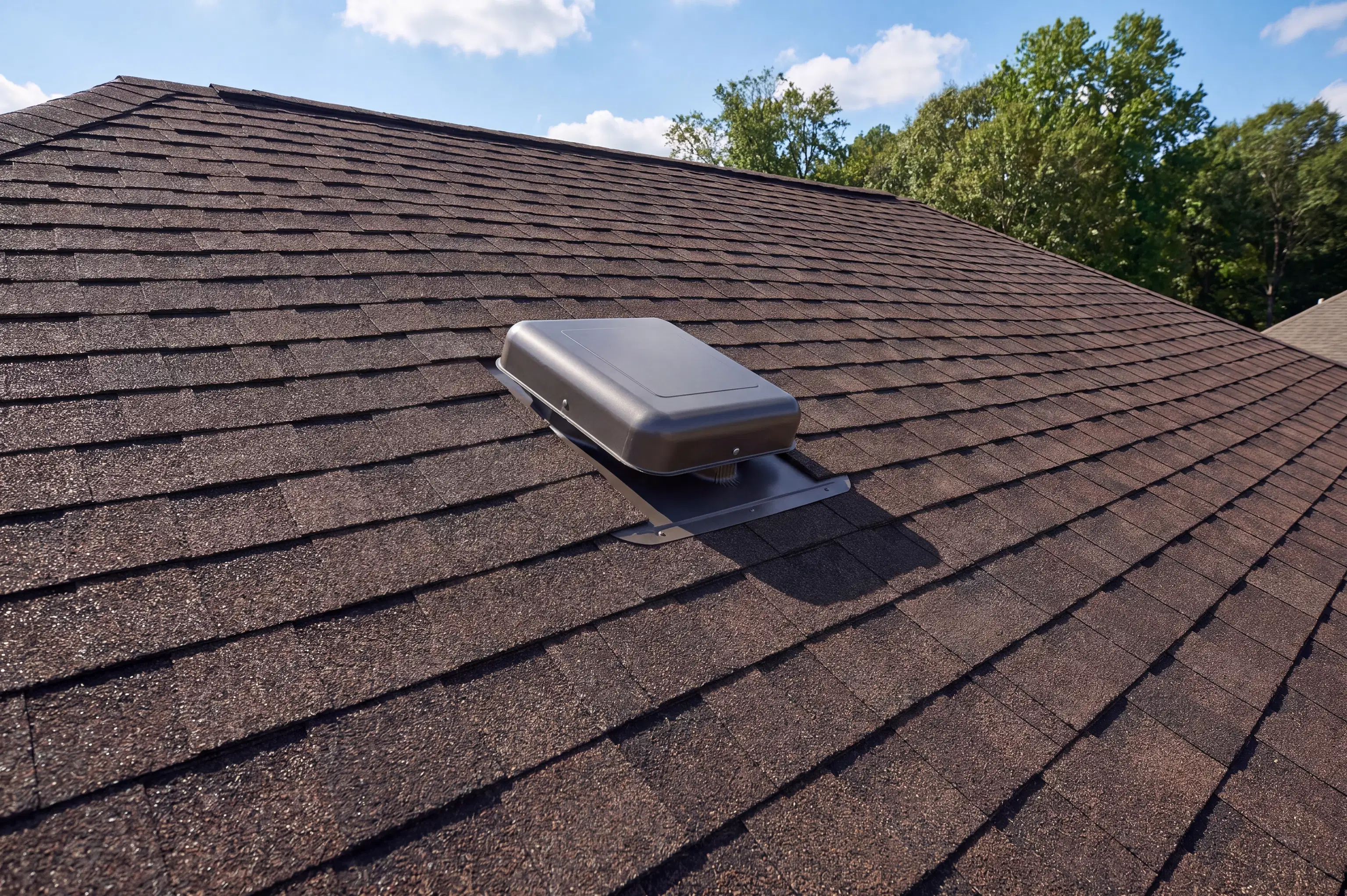
The process for repairing sagging roof trusses and rafters depends on the severity and cause of the damage. If the sagging is localized and caught early, contractors can often reinforce the existing framing. A common technique is sistering, where new, sturdy lumber is bolted alongside the weakened or bowing rafters to restore their strength and straighten the roofline. Additional bracing or struts may also be installed in the attic to provide better support against the downward force of the roof.
However, if moisture has caused extensive rot, simple reinforcement won't be enough. The rotted wood must be completely removed and replaced to prevent the decay from spreading. In severe cases where the entire roof system is compromised by decades of moisture damage or excessive layers of old shingles, a complete roof replacement is the safest and most cost-effective long-term solution. This process involves stripping the roof down to the bare framing, replacing the damaged rafters and decking, and installing a new, weather-tight roofing system that meets modern building codes.
Protect Your Home Before the Wet Season Returns
A sagging roof is a serious structural issue, but with timely intervention, it can be corrected. Routine maintenance, proper attic ventilation, and consistent moss mitigation are your best defenses against the moisture damage that leads to structural decay. Don't wait for a heavy winter storm to test the limits of your roof.
If you have noticed a dip in your roofline, unexplained water stains on your ceiling, or simply want the peace of mind that comes with a thorough professional inspection, we are here to help. At Linnway Roofing & Construction, we provide honest assessments, transparent pricing, and high-quality craftsmanship backed by comprehensive warranties. Contact our team today to schedule a consultation, or use our instant estimator to explore your options before the wet season sets in.